

The CMS-agnostic Webflow alternative
Looking for an alternative to Webflow? Here’s a clear comparison so you can choose the platform that actually scales with your needs.

Delivering sustainable growth through creativity and innovation.
Annual Report
Luca
Paige
Elena










Webflow wasn’t built for enterprises with an existing CMS
You don't need a new CMS—you need a tool that works with the one you already have. Webflow's lock-in forces a choice: adopt their CMS and run two tech stacks in parallel, or limit what you can actually build. Most teams start looking for an alternative well before renewal.
What is Webflow? A no-code website builder with strong visual design capabilities, built originally for freelancers and SMBs. Webflow has made enterprise moves in recent years, but teams with existing CMS infrastructure consistently run into the same wall: CMS lock-in, collaboration limits, and hosting that doesn't flex around their stack.
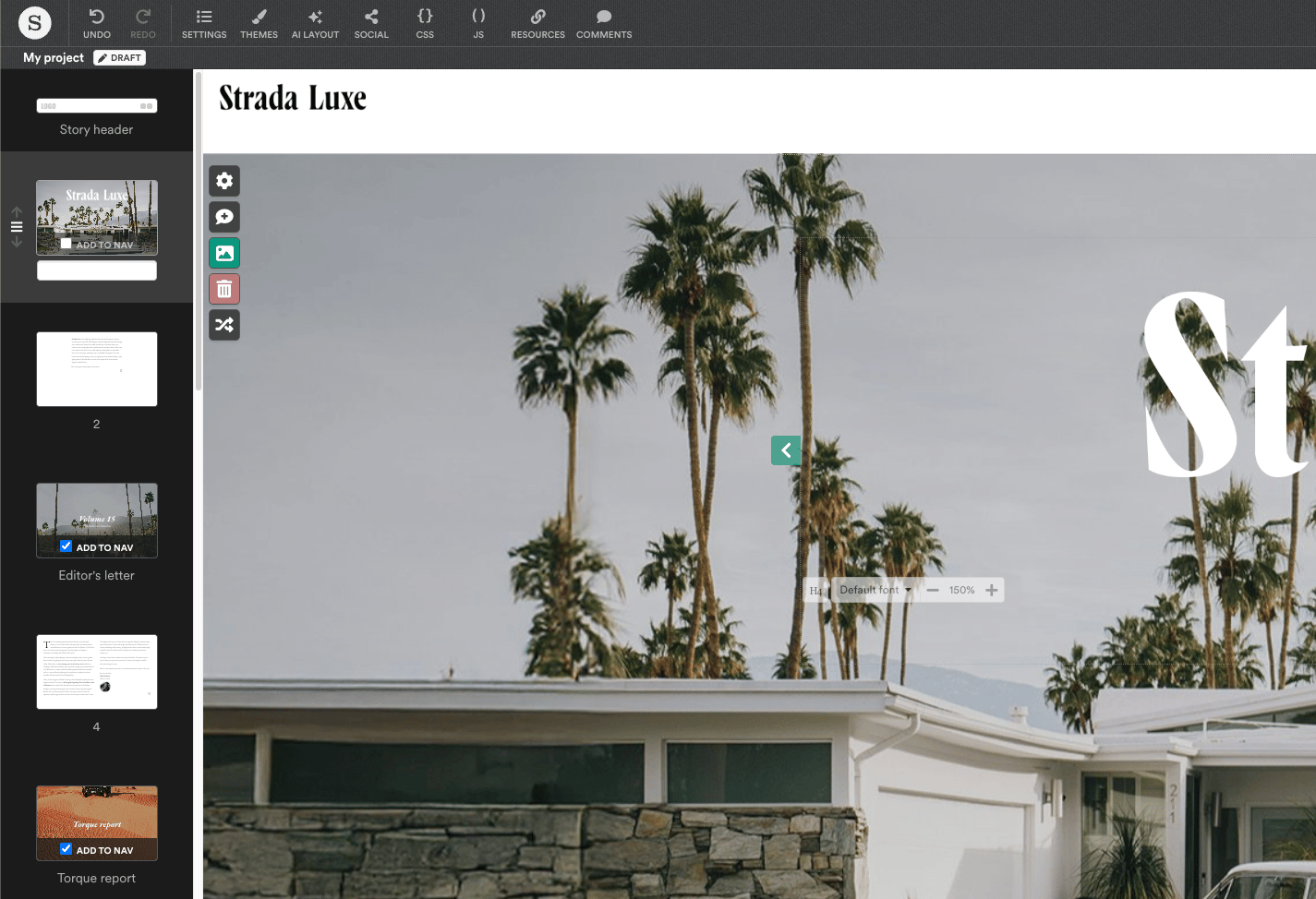
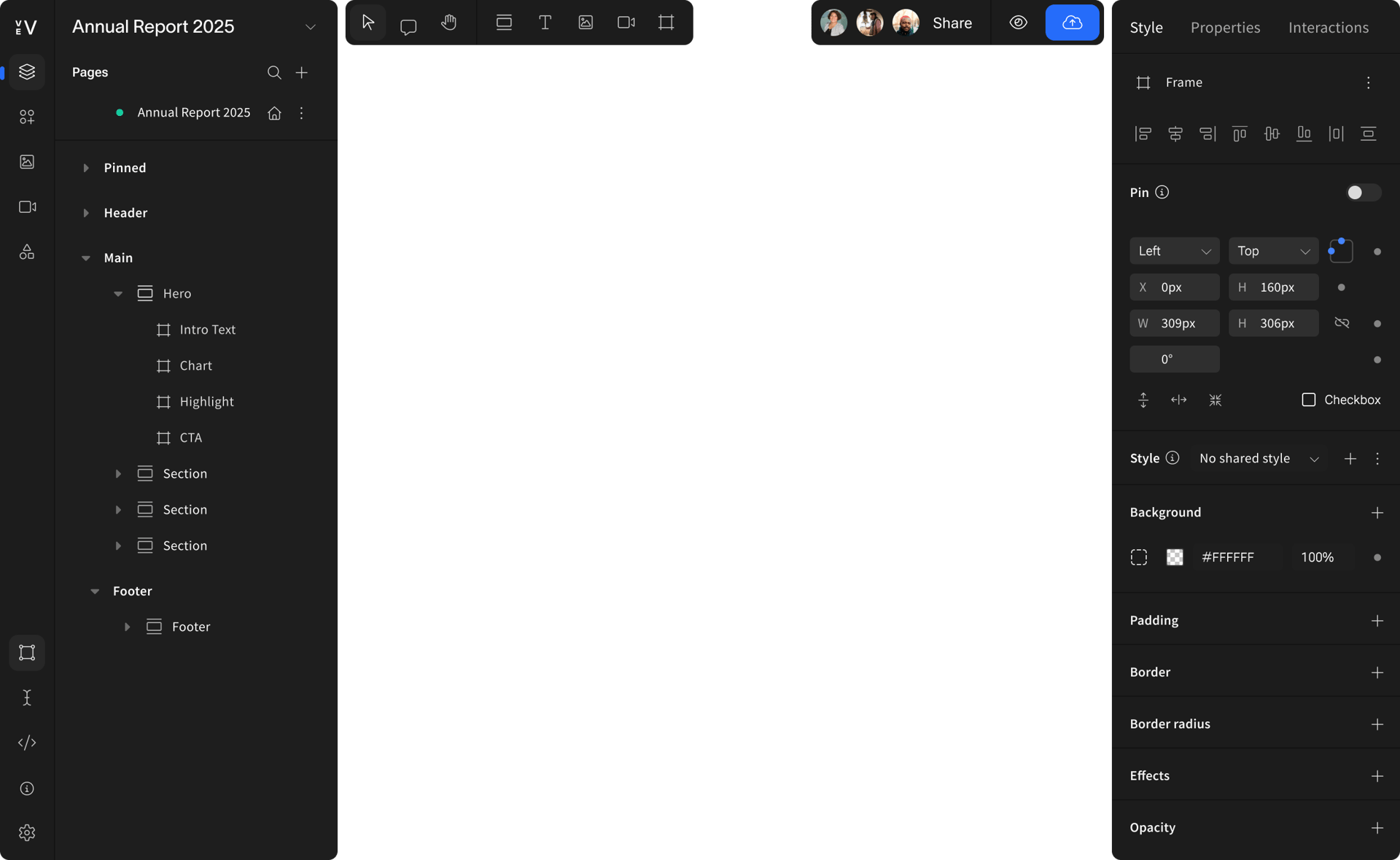
What is Vev? The enterprise-first no-code platform for interactive content, built to sit above your existing CMS—not replace it. Where Webflow requires you to adopt its infrastructure, Vev publishes clean HTML/CSS/JS into whatever stack you're already running. Developers can extend it with custom React components; designers and marketers build and publish without them. With AI built into the canvas, your team produces faster without adding headcount or tools.


Presentations
Live, interactive decks that don’t feel flat.
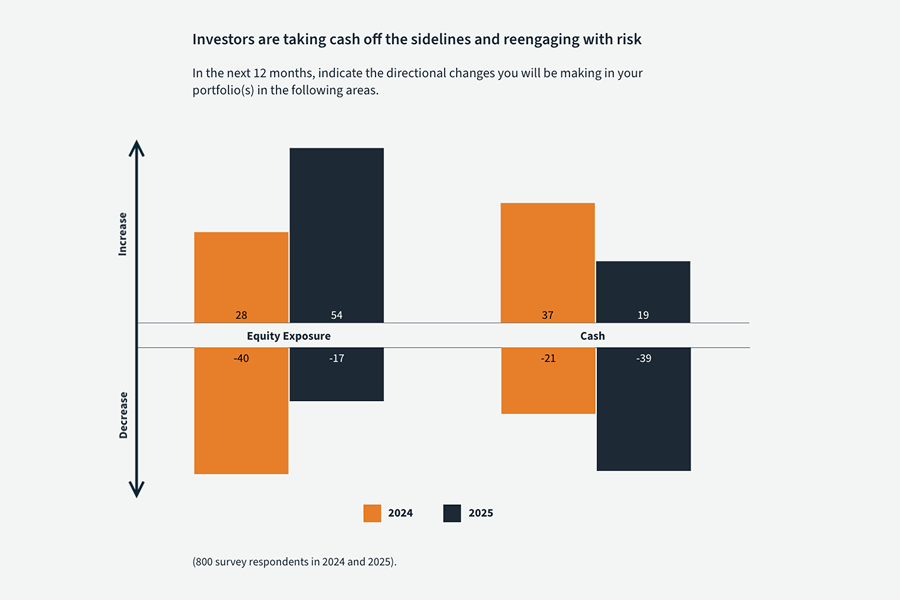
Annual reports
Scrollable reports stakeholders actually read.
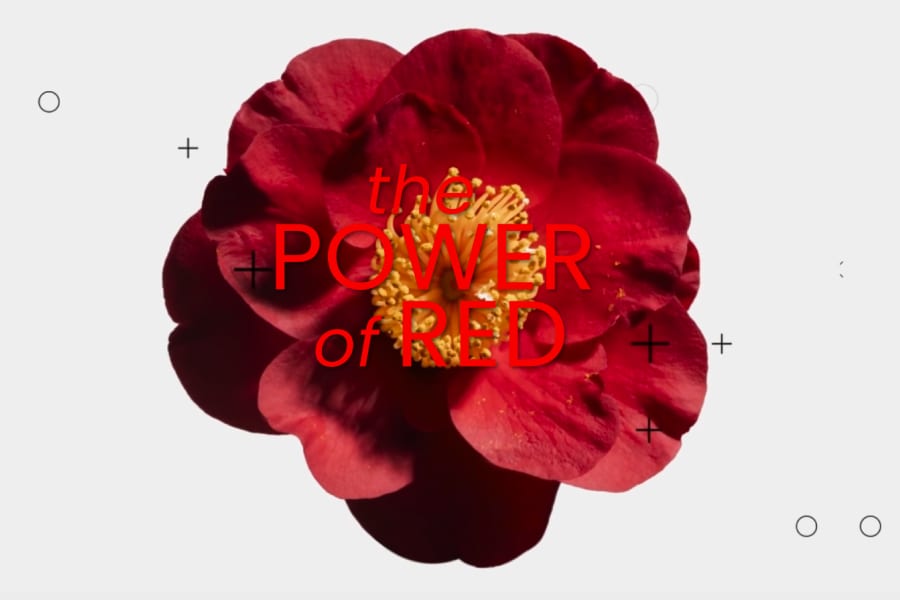
Sponsored content
Polished, on-brand partner content built fast.
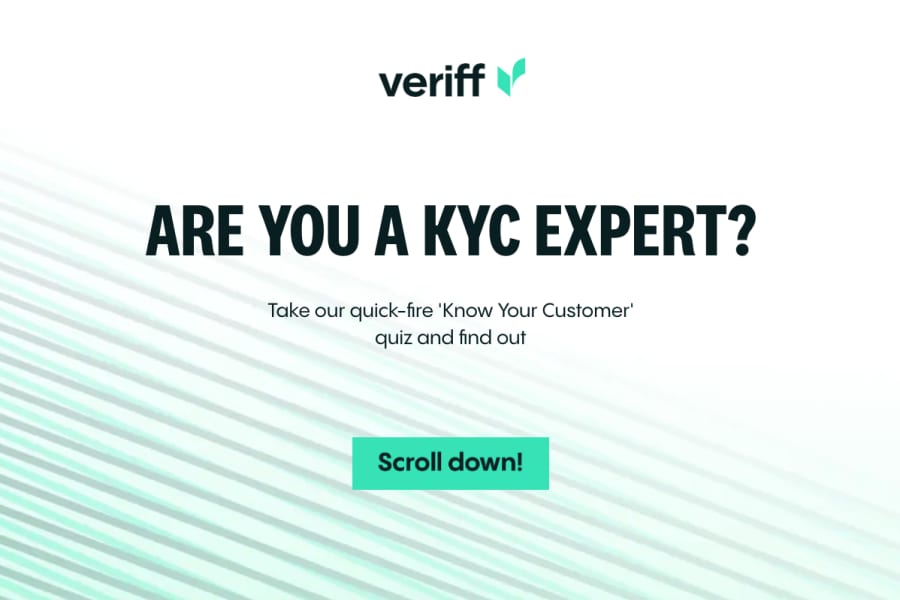
Quizzes
Engaging experiences that capture leads.
Presentations
Live, interactive decks that don’t feel flat.
Annual reports
Scrollable reports stakeholders actually read.
Sponsored content
Polished, on-brand partner content built fast.
Quizzes
Engaging experiences that capture leads.
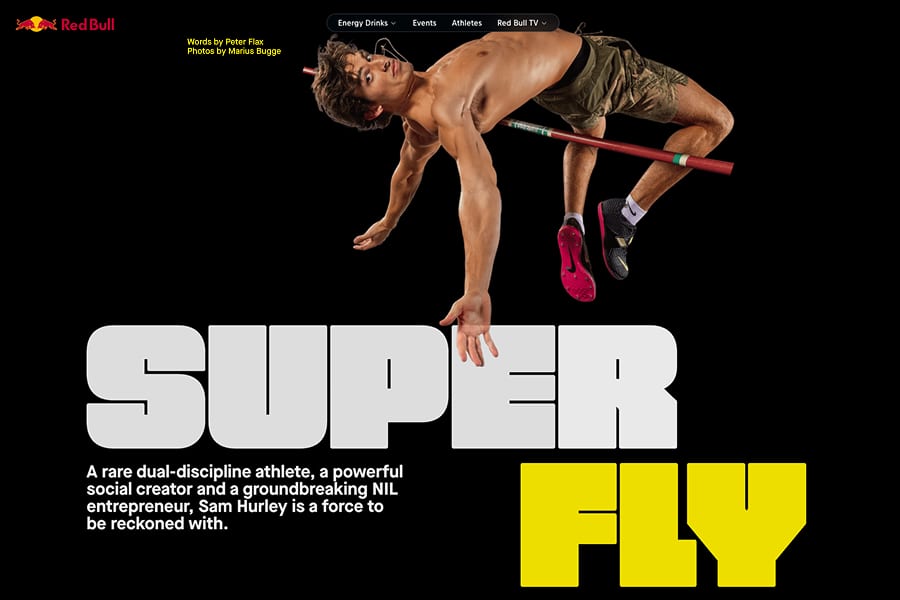
Sports marketing
Engage fans and deliver ROI for partners.
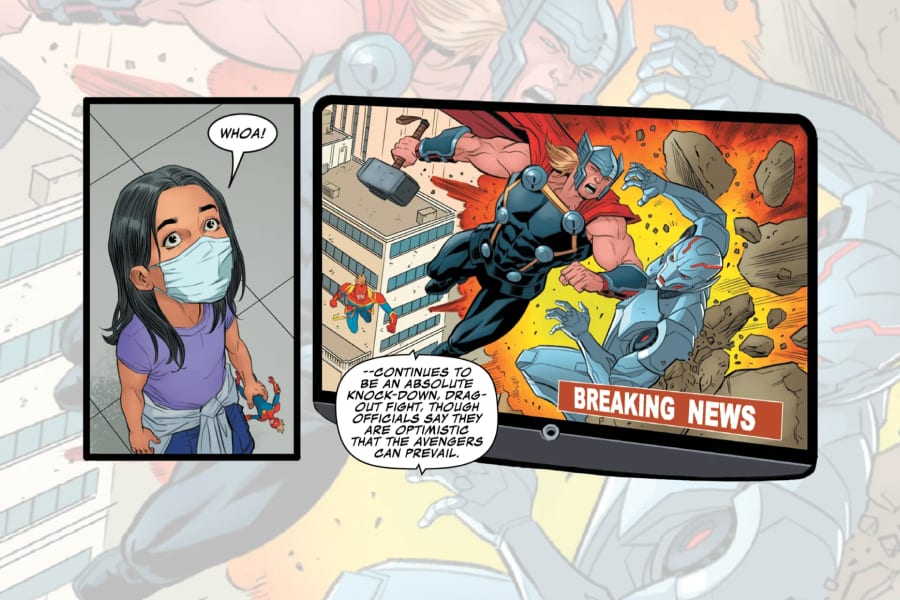
Science communications
Complex ideas with visual storytelling.
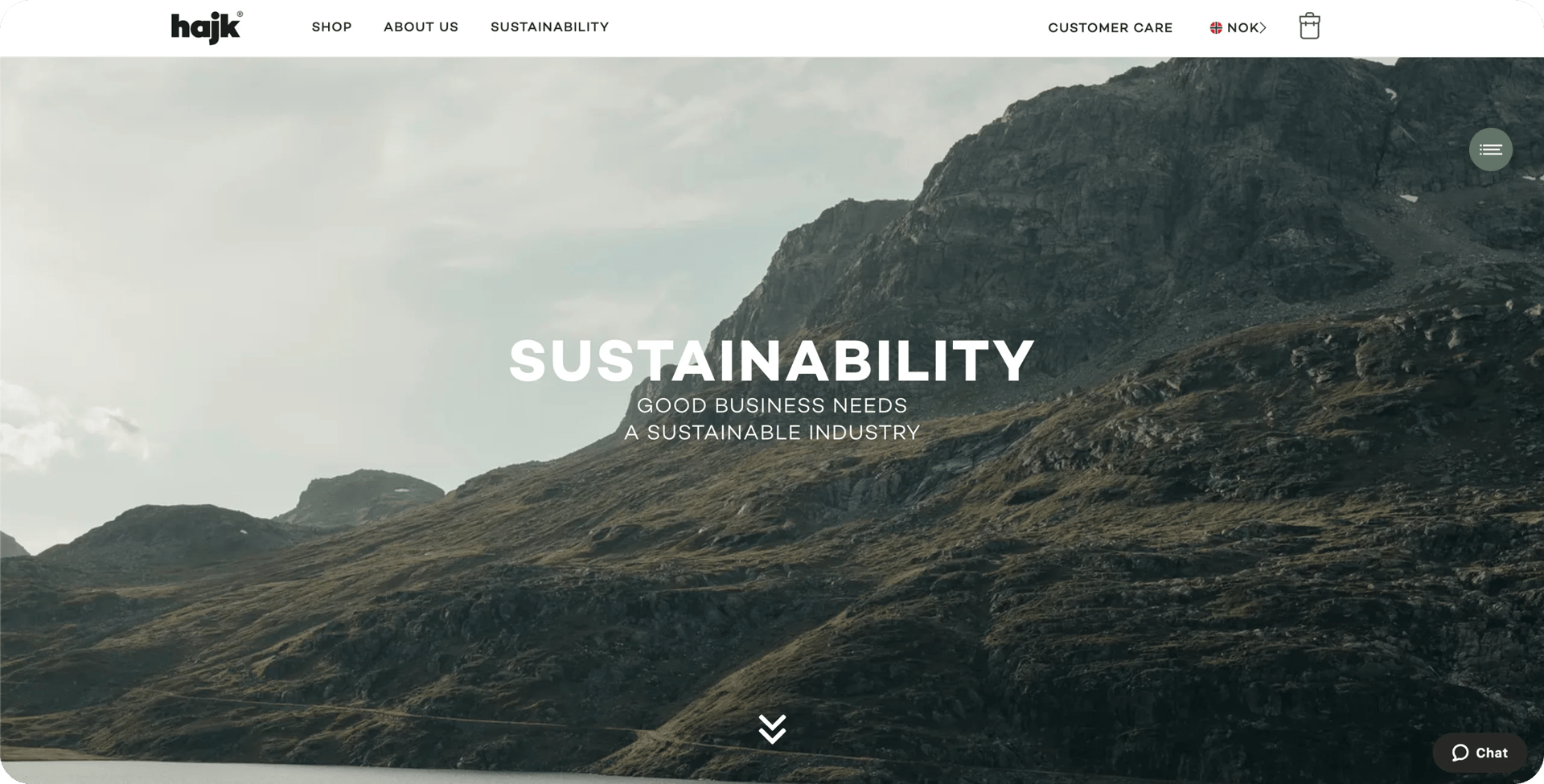
Campaign landing page
Campaign pages shipped in hours, not weeks.
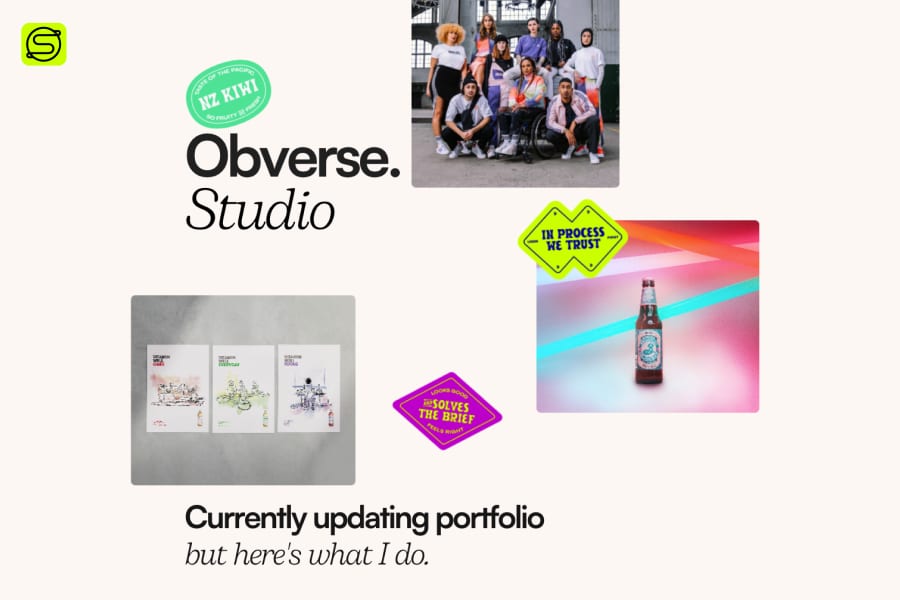
Microsites
The go-to format for marketing campaigns.
Sports marketing
Engage fans and deliver ROI for partners.
Science communications
Complex ideas with visual storytelling.
Campaign landing page
Campaign pages shipped in hours, not weeks.
Microsites
The go-to format for marketing campaigns.
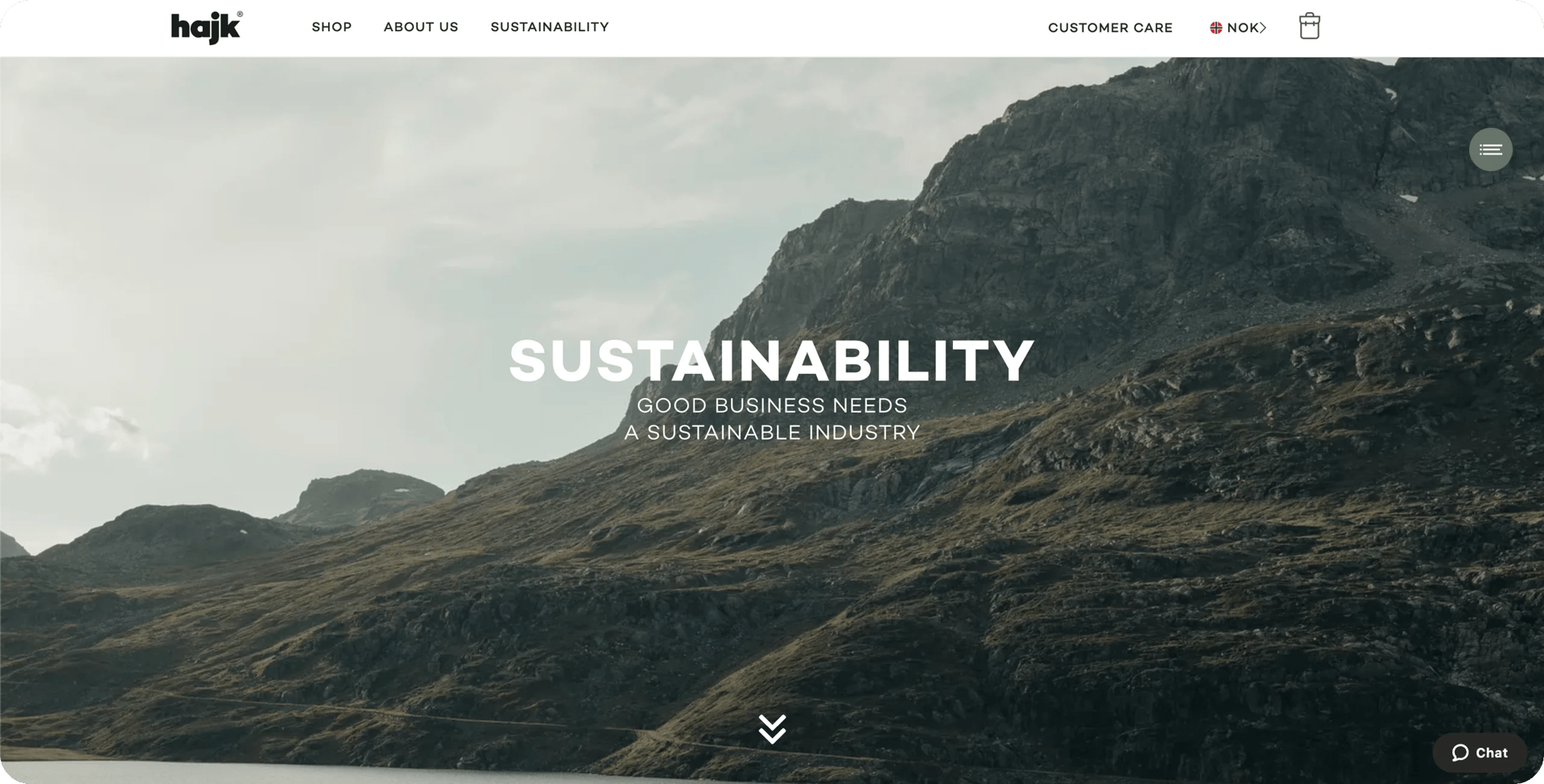
Campaign landing page
Campaign pages shipped in hours, not weeks.
Science communications
Complex ideas with visual storytelling.
Presentations
Live, interactive decks that don't feel flat.
Annual reports
Scrollable reports stakeholders actually read.
Campaign landing page
Campaign pages shipped in hours, not weeks.
Science communications
Complex ideas with visual storytelling.
Presentations
Live, interactive decks that don't feel flat.
Annual reports
Scrollable reports stakeholders actually read.
Sports marketing
Engange fans and deliver ROI for partners.
Quizzes
Engaging experiences that capture leads.
Sponsored content
Polished on-brand partner content built fast.
Microsites
The go-to format for marketing campaigns.
Sports marketing
Engange fans and deliver ROI for partners.
Quizzes
Engaging experiences that capture leads.
Sponsored content
Polished on-brand partner content built fast.
Microsites
The go-to format for marketing campaigns.
See how Vev compares
Webflow keeps developers in the loop for most builds. Vev lets developers define the system once—components, libraries, brand variables—then gets out of the way so the rest of the team can build and publish without them.
CMS freedom
Locked into Webflow CMS; you risk running two tech stacks in parallel.
CMS-agnostic: publish into any CMS (Adobe, Contentful, Sanity, etc.) or run standalone.
Creative freedom
Visual editor tied to CSS grids/containers. Ideal for freelancers, limiting for enterprises.
Free drag and drop canvas like Figma; build content with a wide selection of animation presets and native interactions.
AI features
Webflow has introduced AI features for copy and component assistance, but these are not connected to your design system or CMS structure. AI outputs are largely experimental add-ons, not production-integrated workflow tools.
Vev AI is built into your production workflow. Element AI generates fully editable custom interactive elements from a text prompt, natively on the canvas — describe it, watch it appear, refine it with the tools you already use. Page AI generates full on-brand layout drafts in minutes; it is brand-aware via Themes, with a plan-first UX that lets you approve the theme and section structure before generation commits. Everything happens where you already build and publish.
Collaboration
No real-time multi-player & keystroke syncing. Only capped at 25 users. Feels more like “turn-taking” than true collaboration.
Real-time multi-player co-editing, keystroke syncing, element-level comments with @mentions, and version history.
Content portability
Export is possible in theory, but CMS data, forms, and workflows often break outside Webflow. In practice, leaving is harder than it looks.
Export a full ZIP with all assets anytime. Your projects are fully portable—if you leave, everything comes with you.
Hosting
Locked to Webflow hosting. Export strips out CMS, forms, e-commerce, and search — making CMS integration nearly impossible.
Flexible hosting: host with Vev or your own servers with embeds, webhooks, and automatic DNS support built in.
Code Flexibility
Supports custom CSS/JS snippets only.
Extend with custom React components. Developers build them; designers tweak them visually without touching code.
Pricing & scale
Affordable for freelancers; enterprise pricing jumps steeply with seats and sites.
Transparent enterprise pricing. Unlimited testing before committing.
See how Vev compares
Webflow keeps developers in the loop for most builds. Vev lets developers define the system once—components, libraries, brand variables—then gets out of the way so the rest of the team can build and publish without them.
CMS freedom
CMS-agnostic: publish into any CMS (Adobe, Contentful, Sanity, etc.) or run standalone.
Locked into Webflow CMS; you risk running two tech stacks in parallel.
Creative freedom
Free drag and drop canvas like Figma; build content with a wide selection of animation presets and native interactions.
Visual editor tied to CSS grids/containers. Ideal for freelancers, limiting for enterprises.
AI features
Vev AI is built into your production workflow. Element AI generates fully editable custom interactive elements from a text prompt, natively on the canvas — describe it, watch it appear, refine it with the tools you already use. Page AI generates full on-brand layout drafts in minutes; it is brand-aware via Themes, with a plan-first UX that lets you approve the theme and section structure before generation commits. Everything happens where you already build and publish.
Webflow has introduced AI features for copy and component assistance, but these are not connected to your design system or CMS structure. AI outputs are largely experimental add-ons, not production-integrated workflow tools.
Collaboration
Real-time multi-player co-editing, keystroke syncing, element-level comments with @mentions, and version history.
No real-time multi-player & keystroke syncing. Only capped at 25 users. Feels more like “turn-taking” than true collaboration.
Content portability
Export a full ZIP with all assets anytime. Your projects are fully portable—if you leave, everything comes with you.
Export is possible in theory, but CMS data, forms, and workflows often break outside Webflow. In practice, leaving is harder than it looks.
Hosting
Flexible hosting: host with Vev or your own servers with embeds, webhooks, and automatic DNS support built in.
Locked to Webflow hosting. Export strips out CMS, forms, e-commerce, and search — making CMS integration nearly impossible.
Code Flexibility
Extend with custom React components. Developers build them; designers tweak them visually without touching code.
Supports custom CSS/JS snippets only.
Pricing & scale
Transparent enterprise pricing. Unlimited testing before committing.
Affordable for freelancers; enterprise pricing jumps steeply with seats and sites.

Myth:
“Vev isn’t as enterprise-friendly as Webflow.”
Myth:
“Vev isn’t for building full websites like Webflow.”
Facts:
Webflow was built freelancer-first, enterprise later. Vev was built enterprise-first: CMS-agnostic, scalable, and collaboration-ready.
Facts:
Vev handles the full spectrum—one-pagers, editorial features, campaign microsites, reports, and full standalone sites. The difference is that Vev doesn't require you to abandon your existing CMS to do it.
Your next launch could be faster
Book a 1:1 session to see Vev in action. We’ll walk you through how it fits your creative workflow and content strategy.