
8 Interactive Content Trends Enterprise Teams Will Prioritize in 2026
March 20, 2026
Words by Jeff Cardello
On most websites, we’re met with familiar arrangements of text and visuals. We scroll. We skim. And then make our way to somewhere else.
Then there are those where what we do shapes the experience. We’re not just going through the motions but controlling what happens. We spend more time engaged.
The interactive content trends enterprise teams are putting the most effort into are those that make visitors feel less anonymous and more like individuals. From AI chatbots that provide personalized product advice to interactive presentations that visitors can navigate at their own pace, enterprise companies are giving visitors more options for exploring content.
1. Personalized interactive content
Interactive content trends like chatbots and machine-learning-powered features are tailoring web experiences to individual needs, guiding users to the information they’re seeking faster.
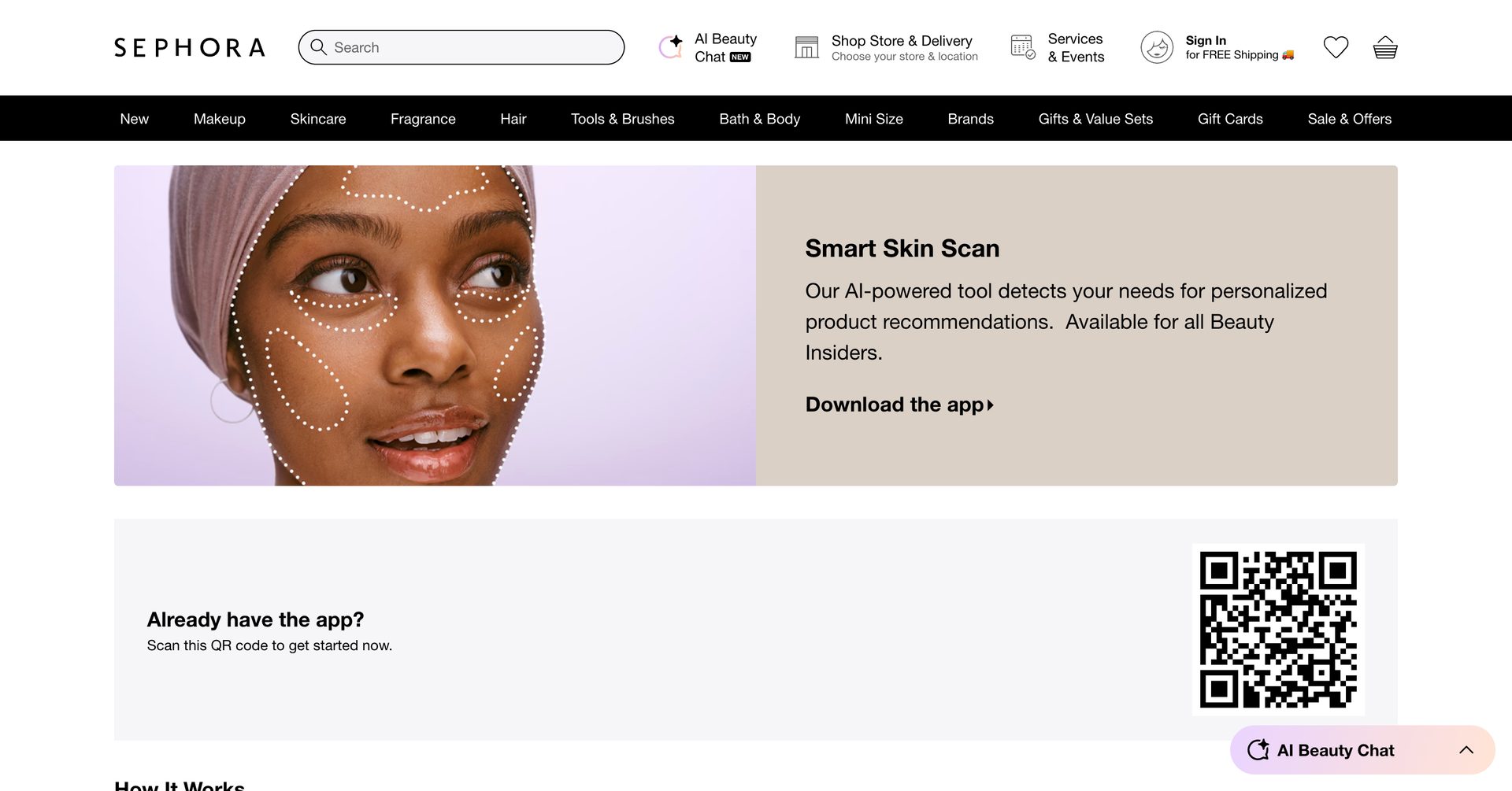
In 2026 we’re seeing retail brands focusing on interactive content that helps customers pick out products. In this example, Sephora’s AI Beauty Chat uses preset prompts and user input to provide skincare advice and recommend products.
On Sephora's mobile app Smart Skin Scan takes the guesswork out of finding the right products. Users upload a photo, a machine learning based app analyzes their skin, and they get personalized product recommendations.
It’s always nice to feel like the companies we support care about our needs. And while code and algorithms crunch data behind the scenes, AI and machine learning are helping brands connect with their audiences in ways that feel more human and meaningful.
2. AI-enabled workflows
Whilst many are rightfully mind-blown by the end-product of AI, the biggest change is how AI is transforming the way digital experiences are built.
For enterprise teams, one of the biggest shifts in 2026 is moving from manual production to AI-enabled workflows that accelerate content creation without sacrificing control.
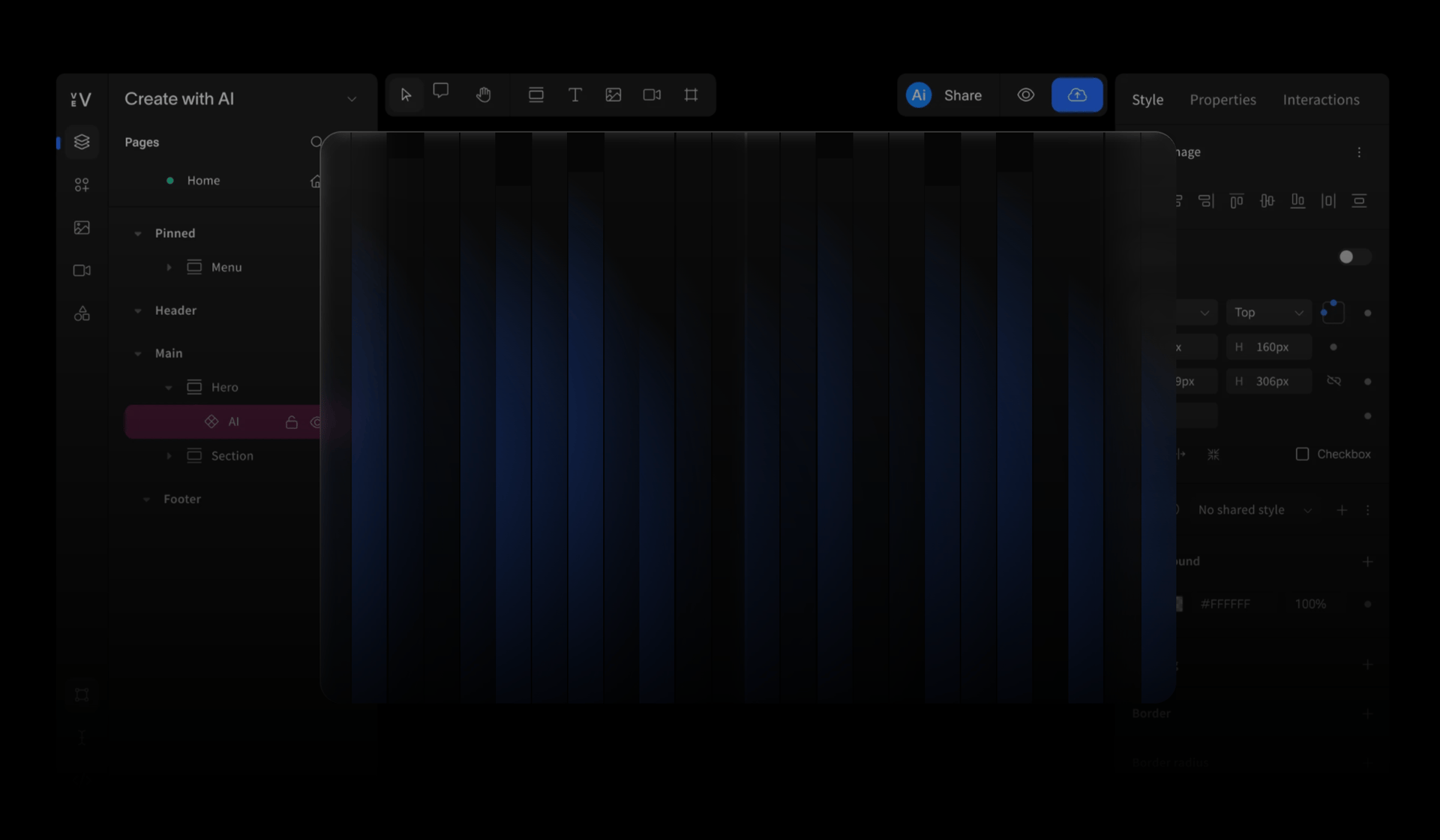
Instead of starting from a blank page, teams can generate structured drafts, reusable components, and layout ideas in seconds, all within their chosen platform. Check out Vev's AI features here, with more coming in Q2 2026.
Rather than replacing creative teams, AI-enabled workflows act as a collaborator:
- Eliminating blank-page syndrome
- Accelerating first drafts and layout creation
- Enabling faster iteration and experimentation
- Maintaining consistency across high volumes of content
AI-enabled workflows are quickly becoming the answer.
3. Immersive storytelling
Enterprise companies have a variety of stories to tell. There are the goods or services they provide. A history. And the people whose lives intersect with what they do. But with so much content out there, it’s easy for these stories to get lost. Immersive storytelling offers them ways to create narratives that are more unique and memorable.
In this example built with Vev, Red Bull tells the story of pole vaulter Sam Hurley. With a high-contrast color scheme and text and images that spring into motion, it’s a design that feels energetic while still telling an interesting story.
Immersive storytelling combines brings together writing with the art of web design. Big ideas are split up into smaller pieces. And visitors get to decide what to engage with and when they’re ready to move on and see what’s next.
4. Product configurators
Whether you’re ordering a coffee, describing to a stylist how you want your hair cut, or at the florist picking out flowers for that special someone, it’s nice to spend money on getting exactly what you want.
Ekomia lets people pick out the wood type, size, and edge style, showing in real-time what a table will look like.
Whether you’re ordering a coffee, describing to a stylist how you want your hair cut, or at the florist picking out flowers for that special someone, it’s nice to spend money on getting exactly what you want.
Cartier's product configurator gets fancy, letting customers choose the precious metal type and ring size, see how engravings will look, and virtually try jewelry on.
While it’s easy to stroll into a physical store and find what you’re after, online shopping can be a bit trickier. Product configurators are interactive content that let customers choose product options to see what items will look like and find out how much they’ll cost. Through elements like micro-interactions, drop-downs, color swatches, and 3D or 2D product images, customers get to dial in exactly what they’re after.
5. Content gamification
Gamification turns static content into experiences. By choreographing the flow of information with interactivity, visitors learn or accomplish something in ways that feel fun. Content gamification livens up user experiences, and makes people feel better connected to what’s happening onscreen.
When we’re presented with a challenge or a task to complete, we find ourselves in a heightened state of anticipation. Every time we get something back from our efforts, we’re motivated to keep going. For enterprise brands, this creates opportunities to engage with customers and have them return again and again.
Golden Agri-Resources is a palm oil producer that’s used in margarine and other food products. They gamify learning about how their products are used in holiday treats in their Christmas themed Merry-Match microsite. Every match unlocks a new fact about Golden Agri-Resources and how what they make is a part of our favorite holiday treats.
This is such a great example showing how even something like learning about palm oil can become more interesting and entertaining when made into a game.
6. Year-end wraps
The apps we use quietly compile our habits. Seeing metrics like how many minutes spent listening to a particular artist on Spotify, kilometers or miles pedaled on Strava, or streaks spent learning a new language on Duolingo, aren’t only interesting in finding out how we spent our time but gives us a sense of accomplishment for all that we’ve done.
ChatGPT’s In Your Year shows users the types of questions they asked, their conversational style, as well as a stylized digital archetype card that feels like something one would see at a game shop next to the Yu-Gi-Oh! cards.
Year-end wraps are one of the newest interactive content trends, transforming quantitative data into personalized stories that reward users for their participation.
7. Interactive onboarding
Interactive onboarding is one of the most practical ways for enterprise teams that want to make things easier for new users.
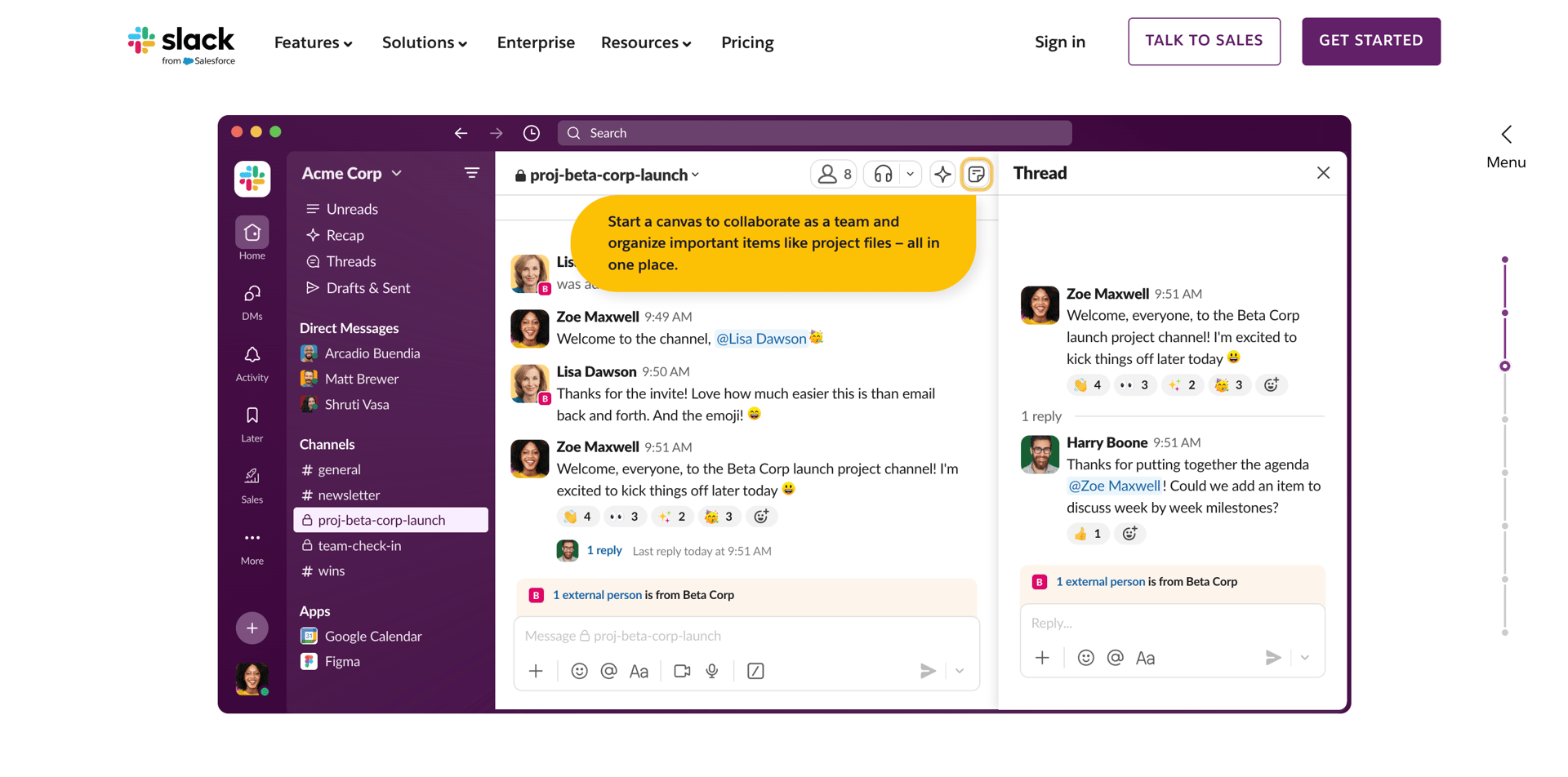
In this example from Slack, visitors are taken through an interactive slideshow, with dialog bubbles along the way that explain how to use its various features and functionality.
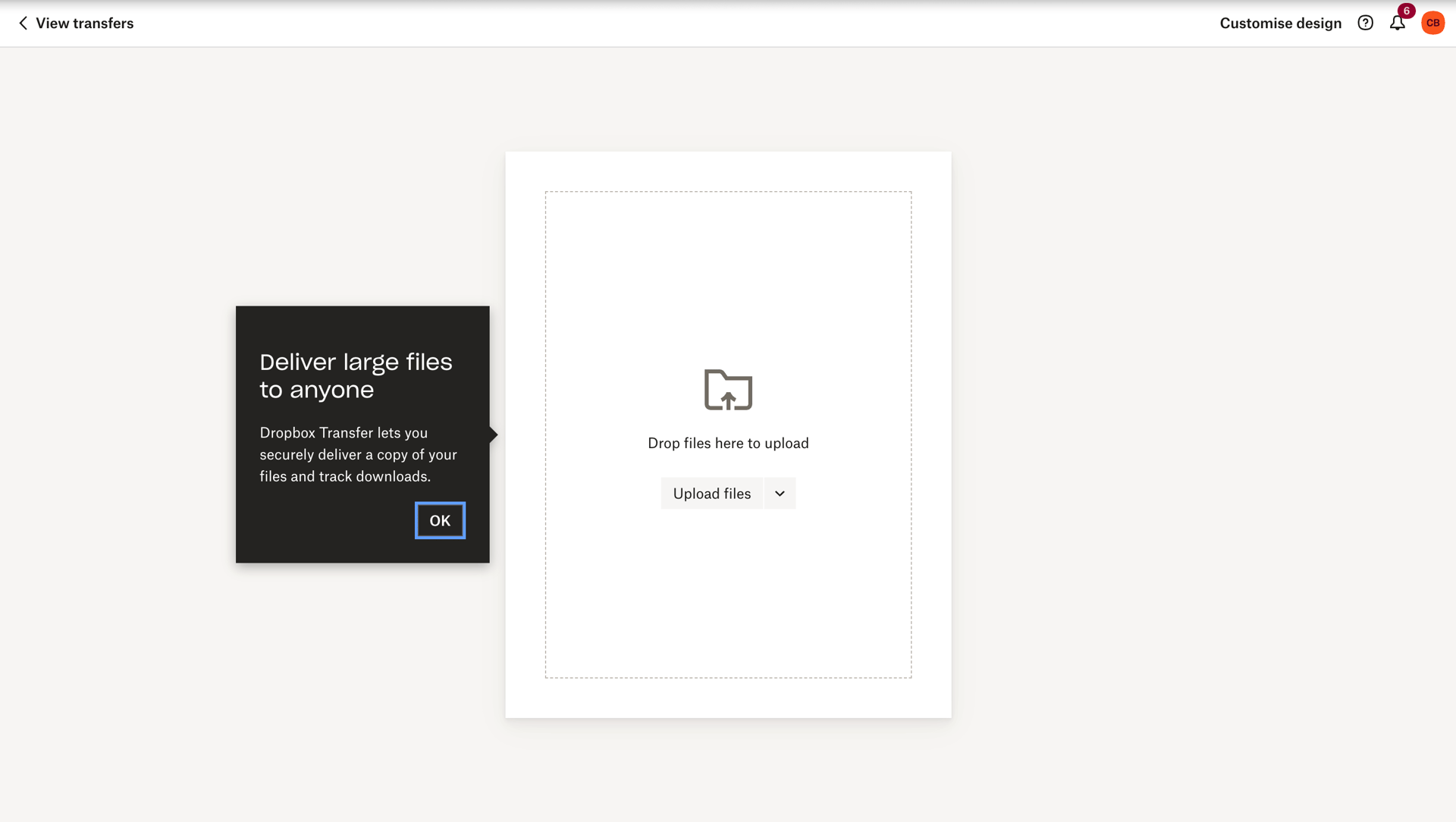
Dropbox takes a simple step-by-step approach to onboarding, with each scene covering a single aspect of how it works, letting users try out features, and asking them to confirm that they’ve ‘Got it’.
When learning how a piece of software or digital tool works, it can be hard to know exactly where to start. Giving people clear pathways for learning, like interactive onboarding, documentation, and tutorials, smooths out the process and turns them into informed users faster.
8. Interactive presentations
Our perception and how well we remember information are shaped by the form it takes. If we have to sit through a seemingly unending wall of text, most of us are going to zone out and not even register what we just read. Interactive presentations turn content into discoveries we make, rather than just idly scrolling through.
Interactive presentations turn content into multi-channel experiences. Along with text, there are dynamic visuals to trigger and new details to unveil at each step. We’re presented with multiple avenues to explore rather than a uniform experience.
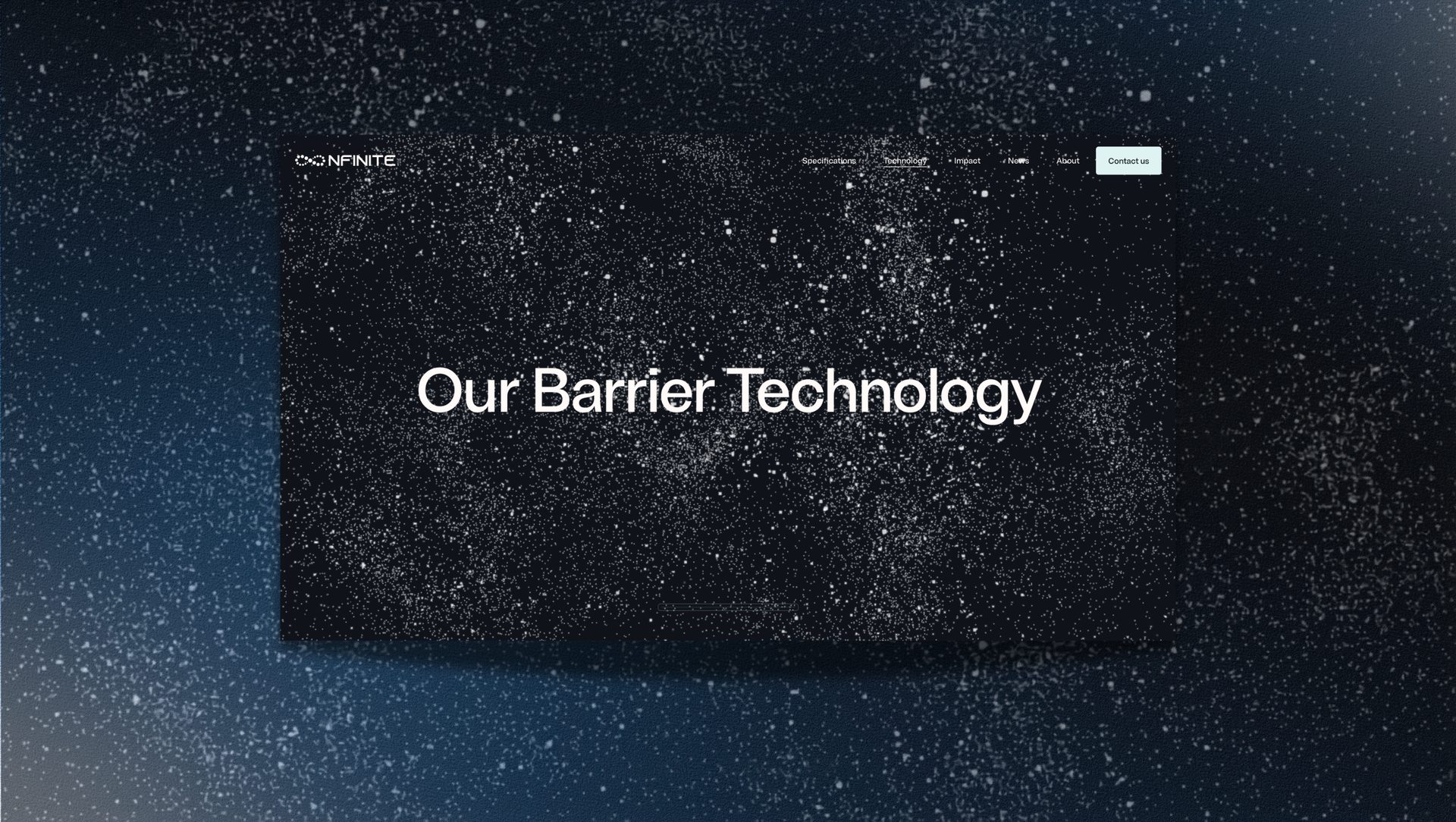
In this interactive presentation Nfinite turns something as mundane as paper packaging into a high-energy user experience. With flocks of swirling particles, succinct writing, and clickable options throughout for learning more, it’s a visually exciting web experience that hits on all the important points about their products.
Interactive presentations are an effective way to highlight product features, show how something works, and engage with customers in ways that feel like it's on their own terms.
Transform static content into dynamic experiences with Vev
Enterprise teams are responsible for a huge amount of content. Vev gives them the tools to create interactive experiences without getting slowed down by development. With built-in animations, interactions, effects, and integrations like Rive for custom motion graphics and product demos, teams can create content that's far more compelling.